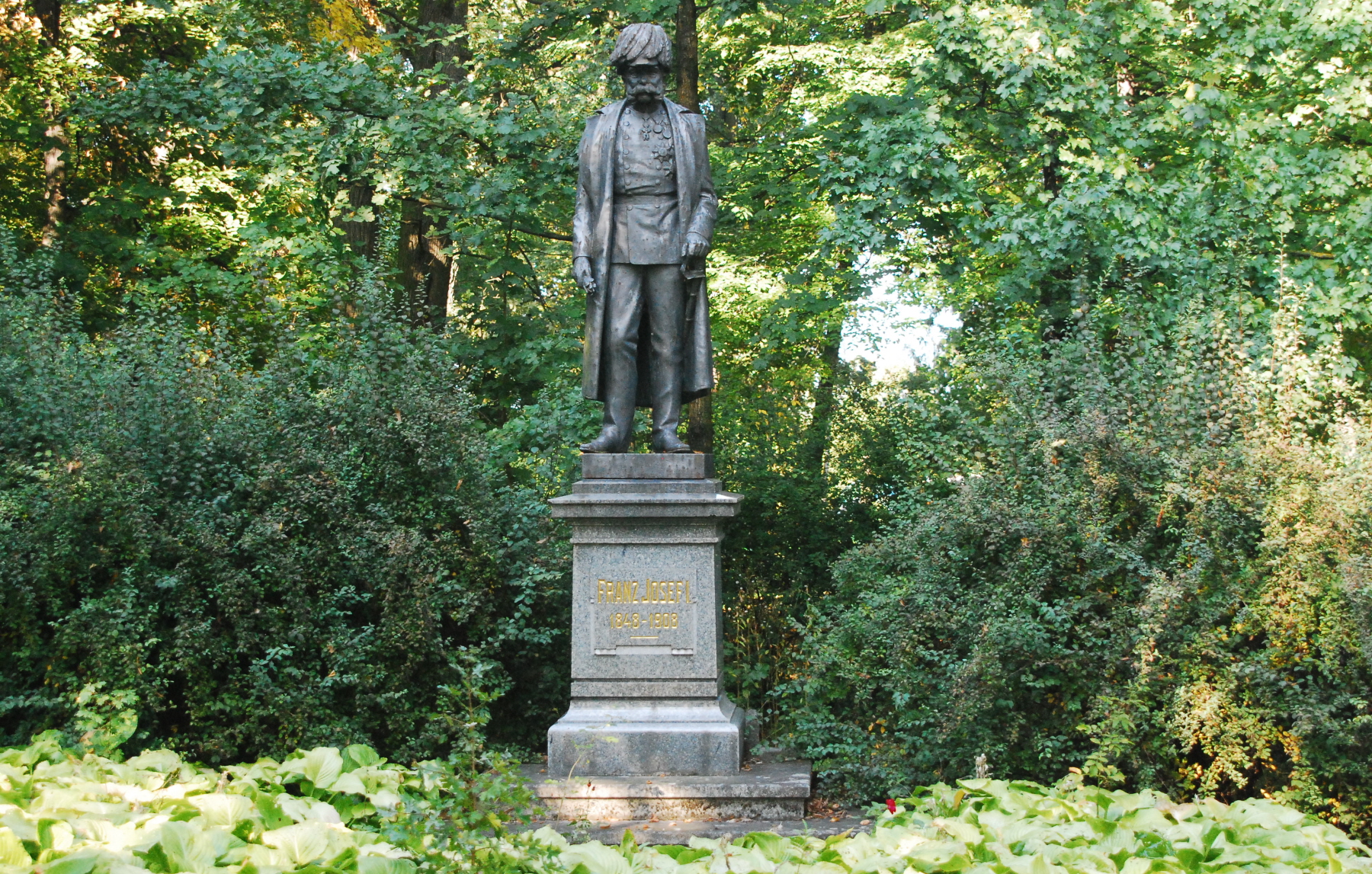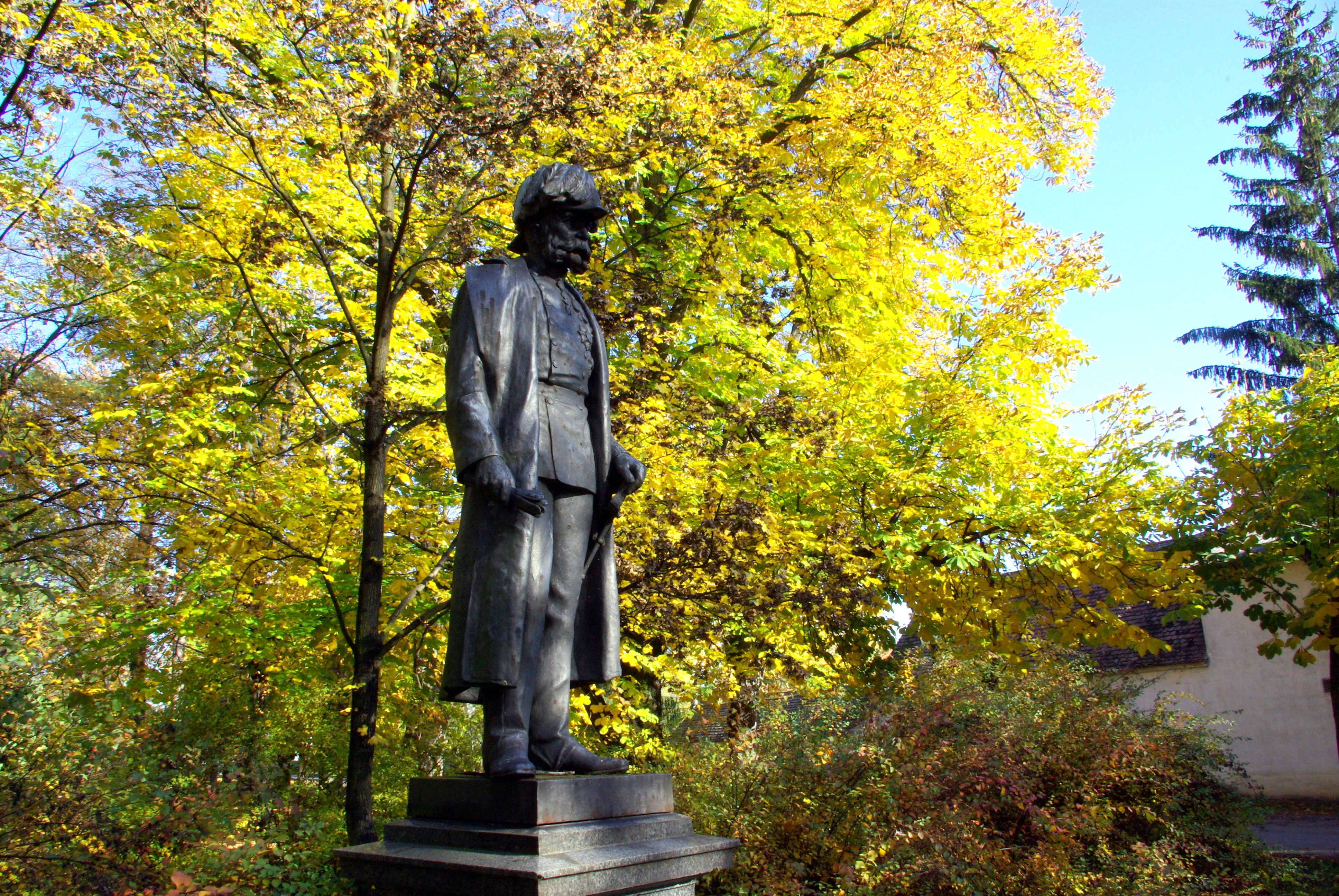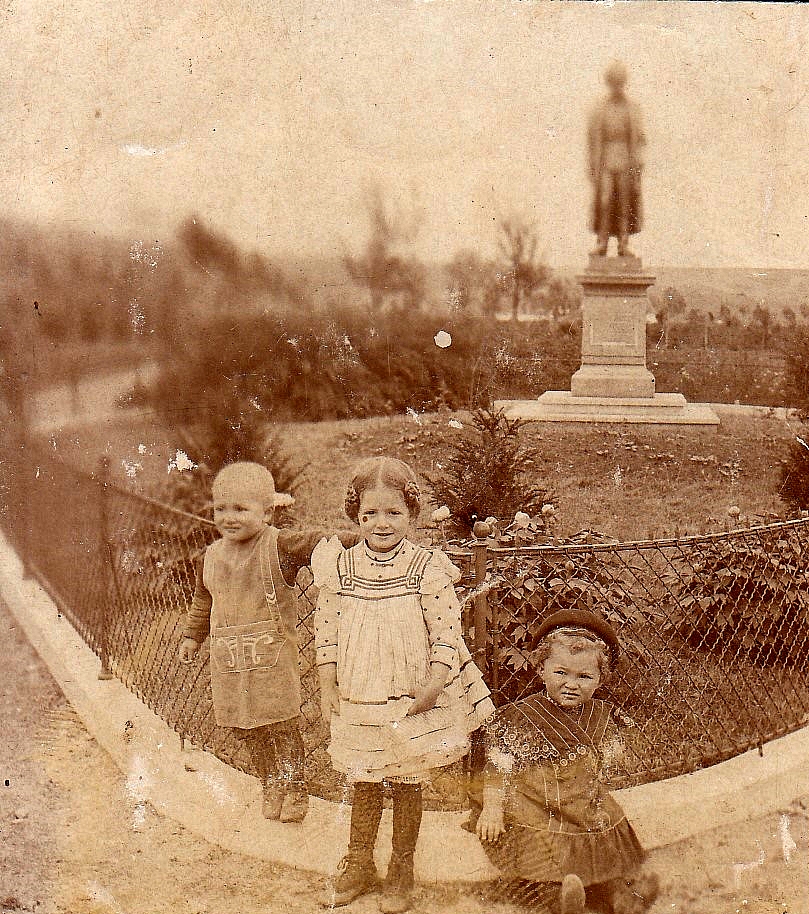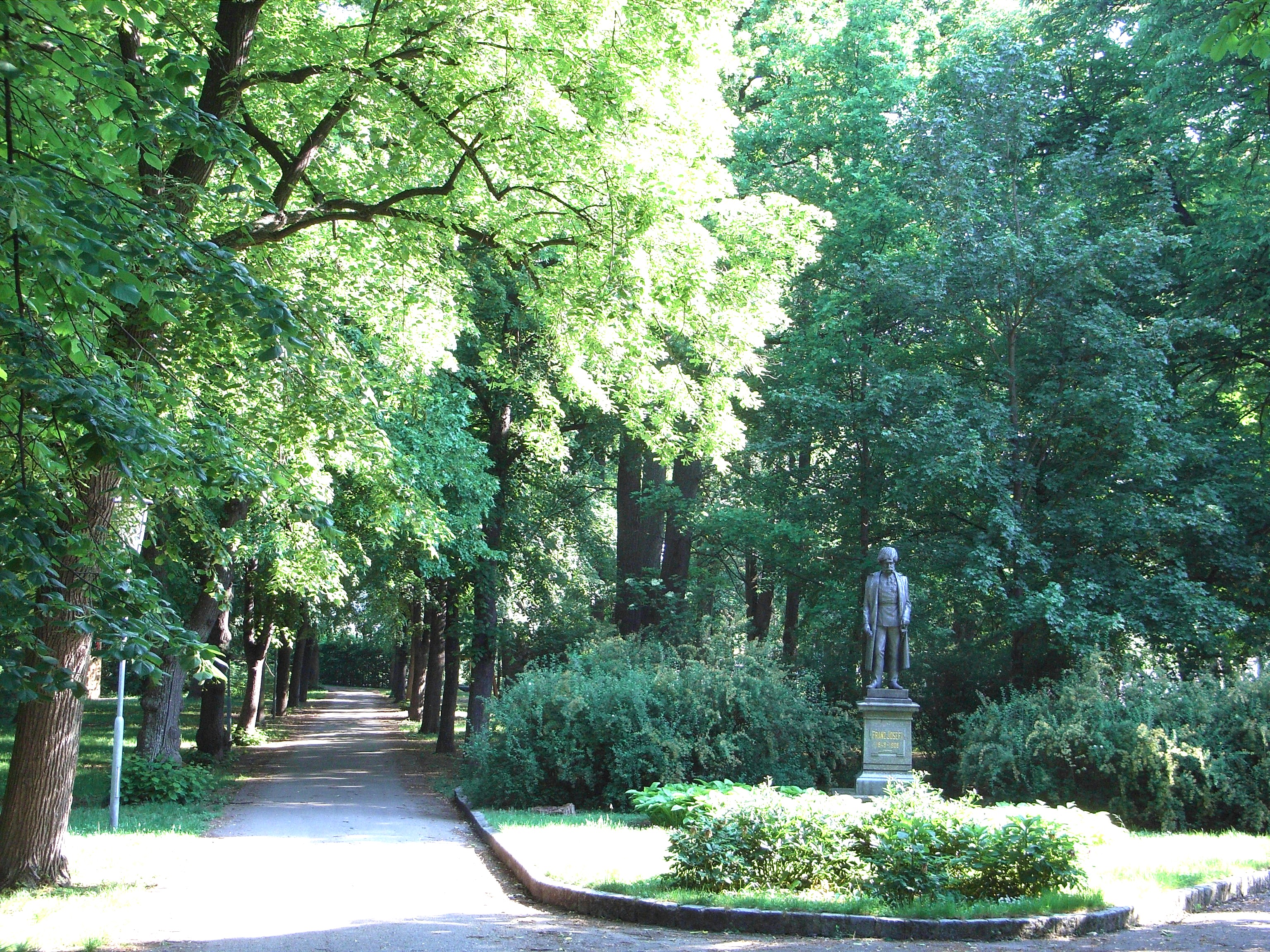
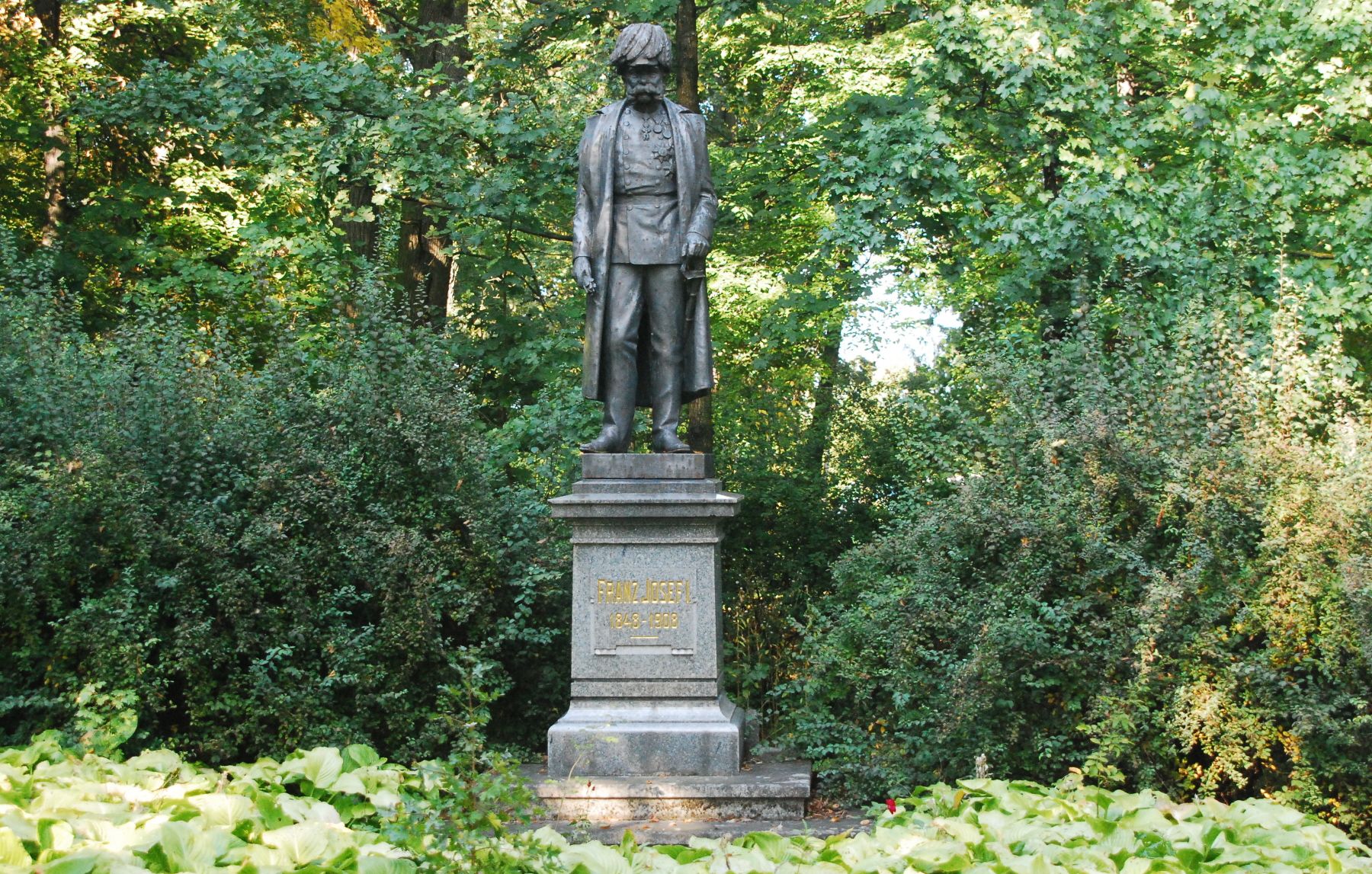
He still stands at the park’s western entrance: Emperor Franz Joseph I in a marshal’s uniform, life-size, imported from Bohemia, and erected in 1908 to mark the 60th anniversary of his accession to the throne. Haugsdorf did not want to leave his ruler without a tribute—and so, without further ado, he laid out an entire park.
Covering 1.15 hectares and planned according to modified designs by a head gardener of Count Schönborn, the park featured two main paths lined with linden and chestnut trees, with rare tree species—pyramidal oaks, silver firs, and red beeches—in between. In 1928, a Schubert stone was added, donated by the “Haugsdorf Men’s Choral and Music Society” to mark the 100th anniversary of Franz Schubert’s death, along with a planted linden tree. However, the associated renaming to “Schubertpark” never really caught on among the local population.
What the War Did to the Park
In 1945, the well-maintained park became a small-scale theater of war: large trees were felled and turned into tank barriers. The nearby train station served as an unloading point for supplies to the front—military vehicles were parked among the remaining trees, and ammunition was stored there. The park continued to serve this function even during the Russian occupation. Refugees from South Moravia set up camp here and used the trees as firewood.
What remained afterward was wilderness—shunned by adults but enthusiastically embraced by children as an adventure playground—not the worst use for an overgrown Kaiserpark.
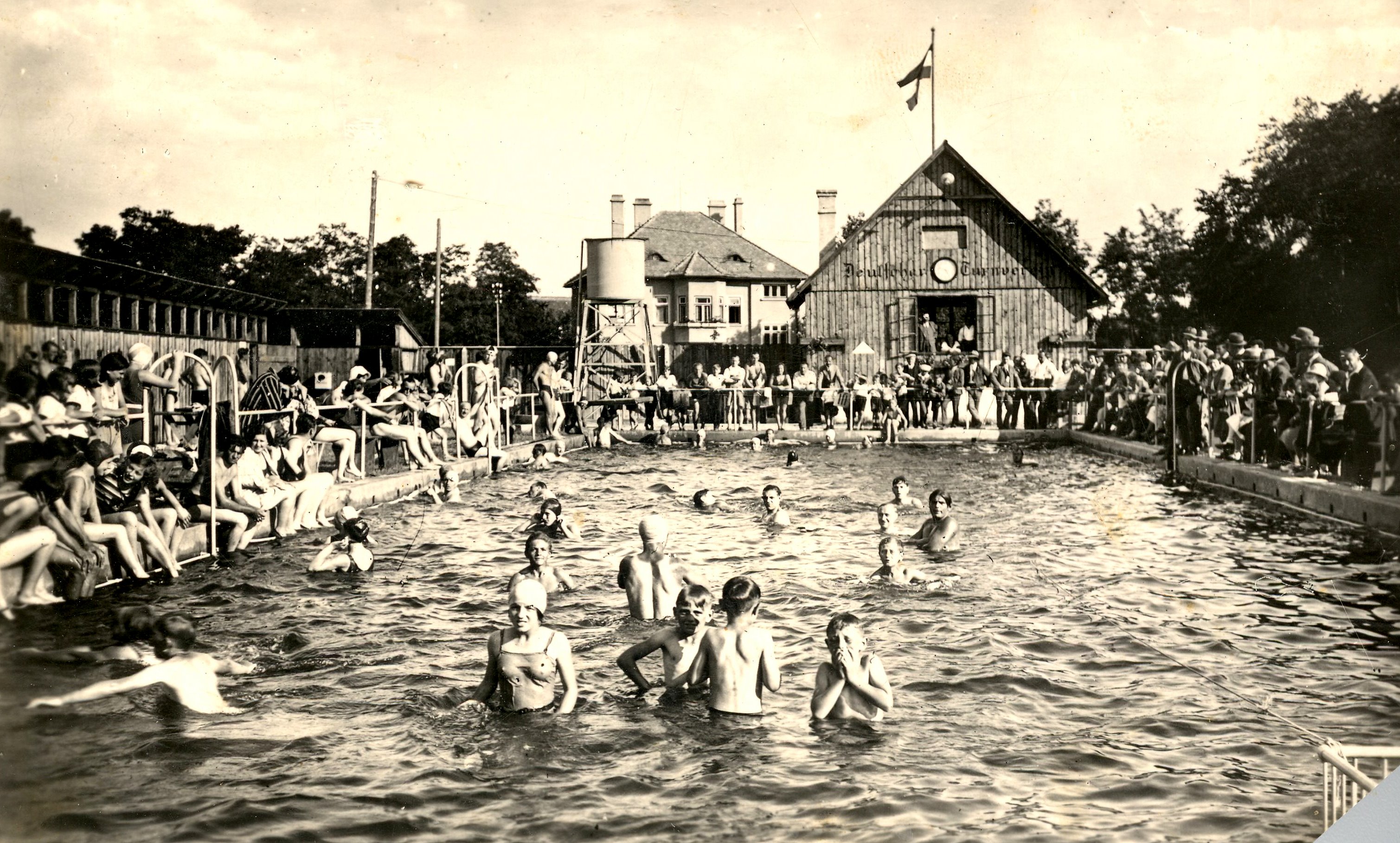
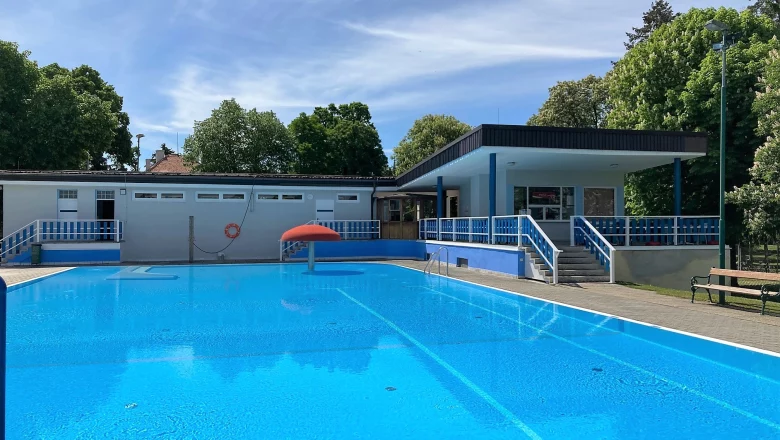
In 1973–74, the grounds were restored. Today, with its outdoor swimming pool and children’s playground, Kaiserpark is a recreational area for the entire region. And the emperor watches quietly from the western entrance.