Description
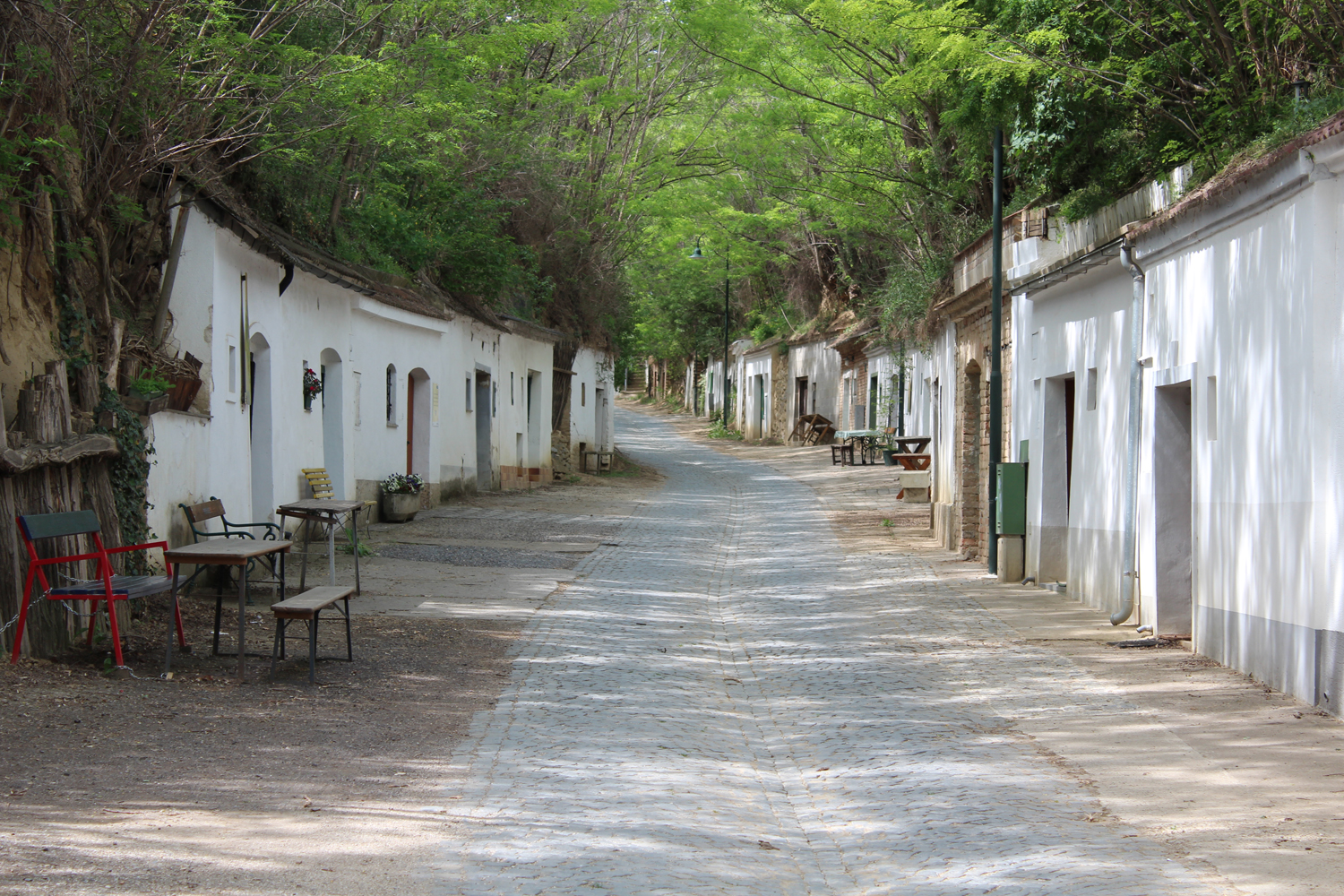
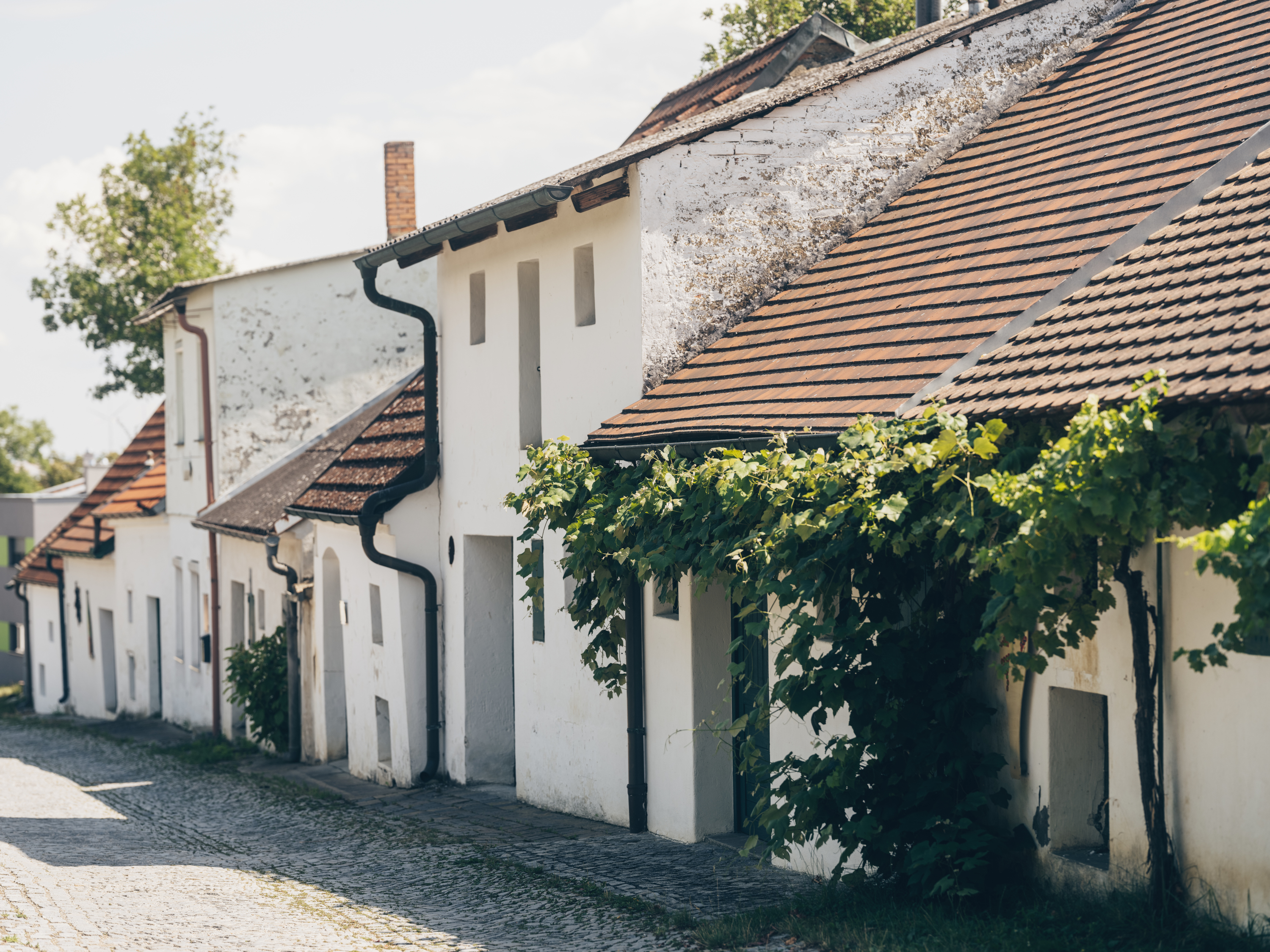
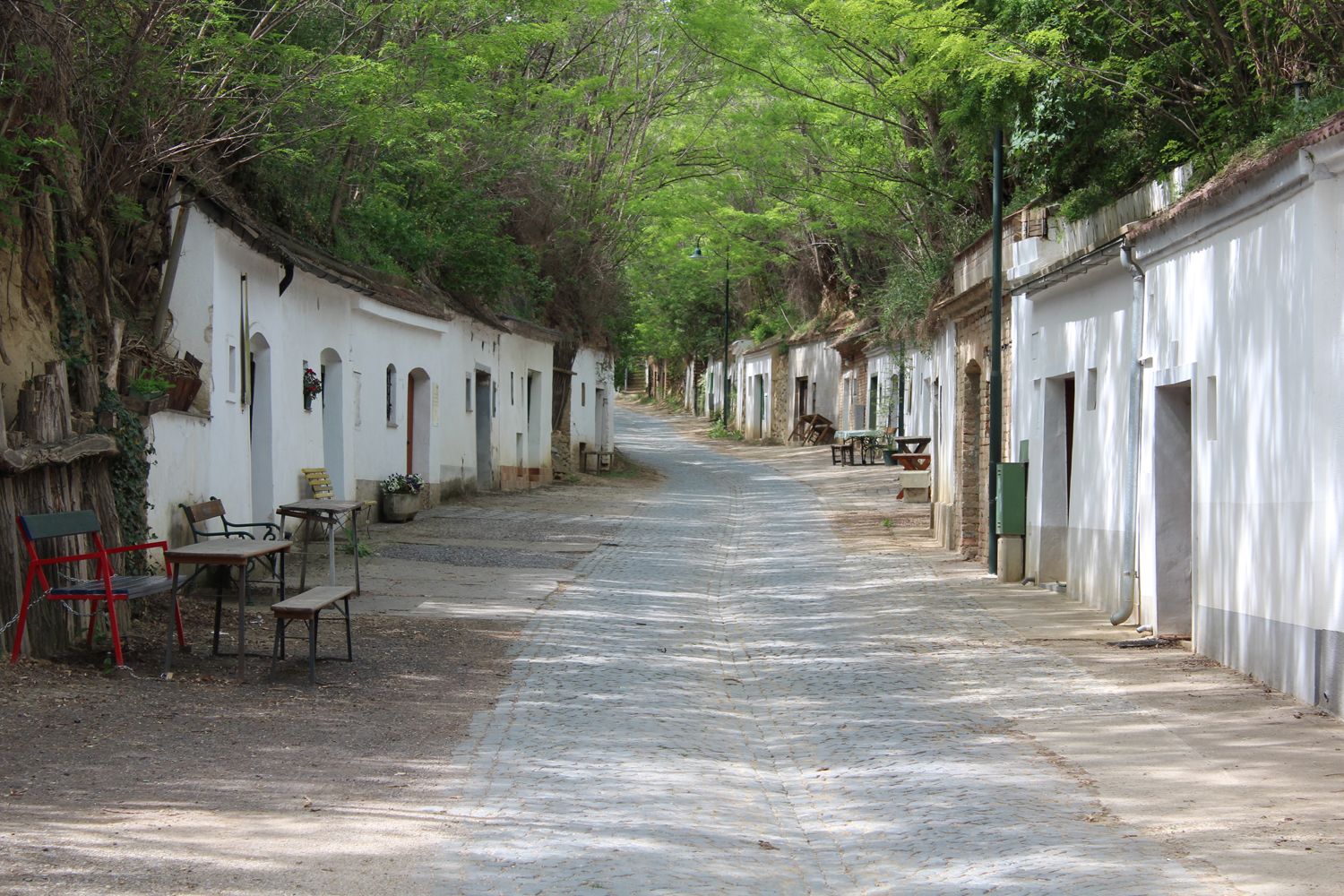
Among the many wine cellar lanes, the Radyweg is the longest cellar lane in Poysdorf. The classic hollow wine cellar lane was created by loess areas, which sank further and further apart over a long period of time due to being driven on by carts, used as cattle drifts and washed out by the weather. In the past, cellar pipes were often dug into the sides of these hollow ways, resulting in the large number of hollow way wine cellar lanes. According to the Wilfersdorf land register, the first cellars were built in the Radyweg before 1800.
The Radyweg in Poysdorf leads to the Hermannschachern vineyards, which is one of the oldest in the region, as well as to the Stein- and Fuchsenbergen vineyards. In contrast to the press houses and cellars in Gstetten, the cellars here tend to be smaller, as they were usually only built as a sideline. Today, six of the 90 cellars are still actively used for viticulture.
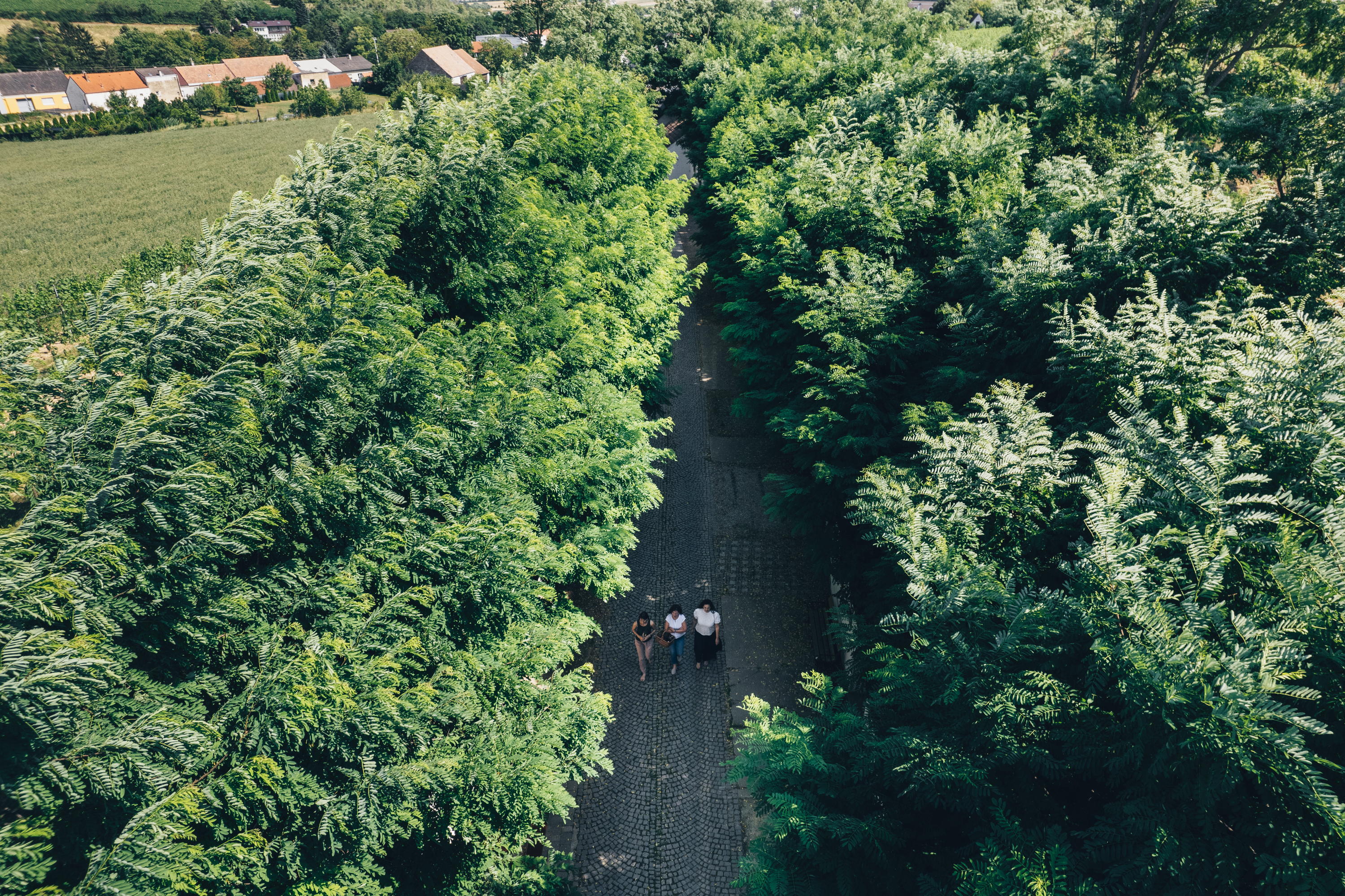
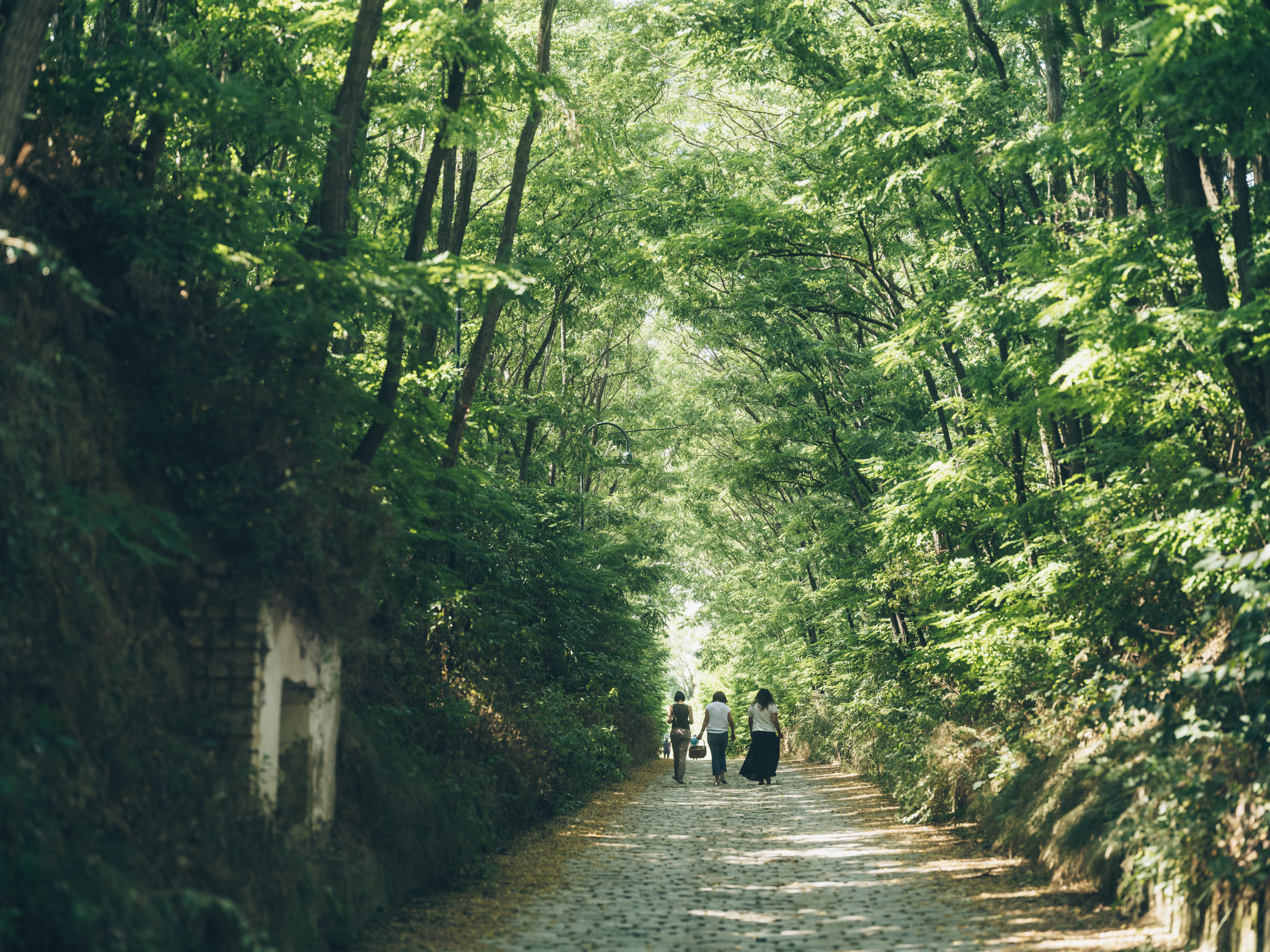
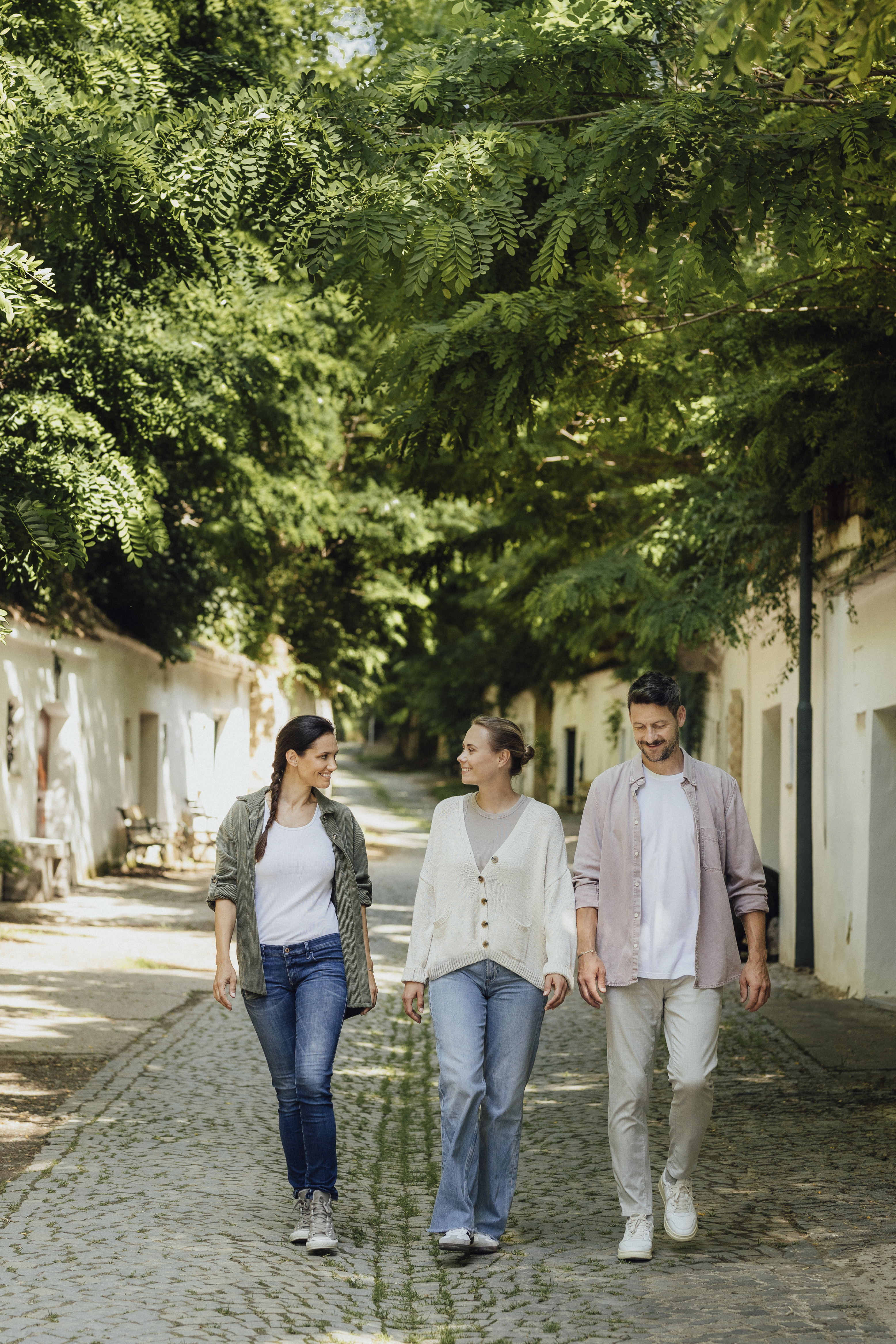
Another special feature of the Radyweg wine cellar lane is its natural roof. Due to the ideal refuge for fauna and flora, the soil with wild shrubs and robinia ("acacia") forms a kind of roof and facade for the cellars. Together with the loess walls, this creates ideal nesting and breeding grounds for birds and insects.
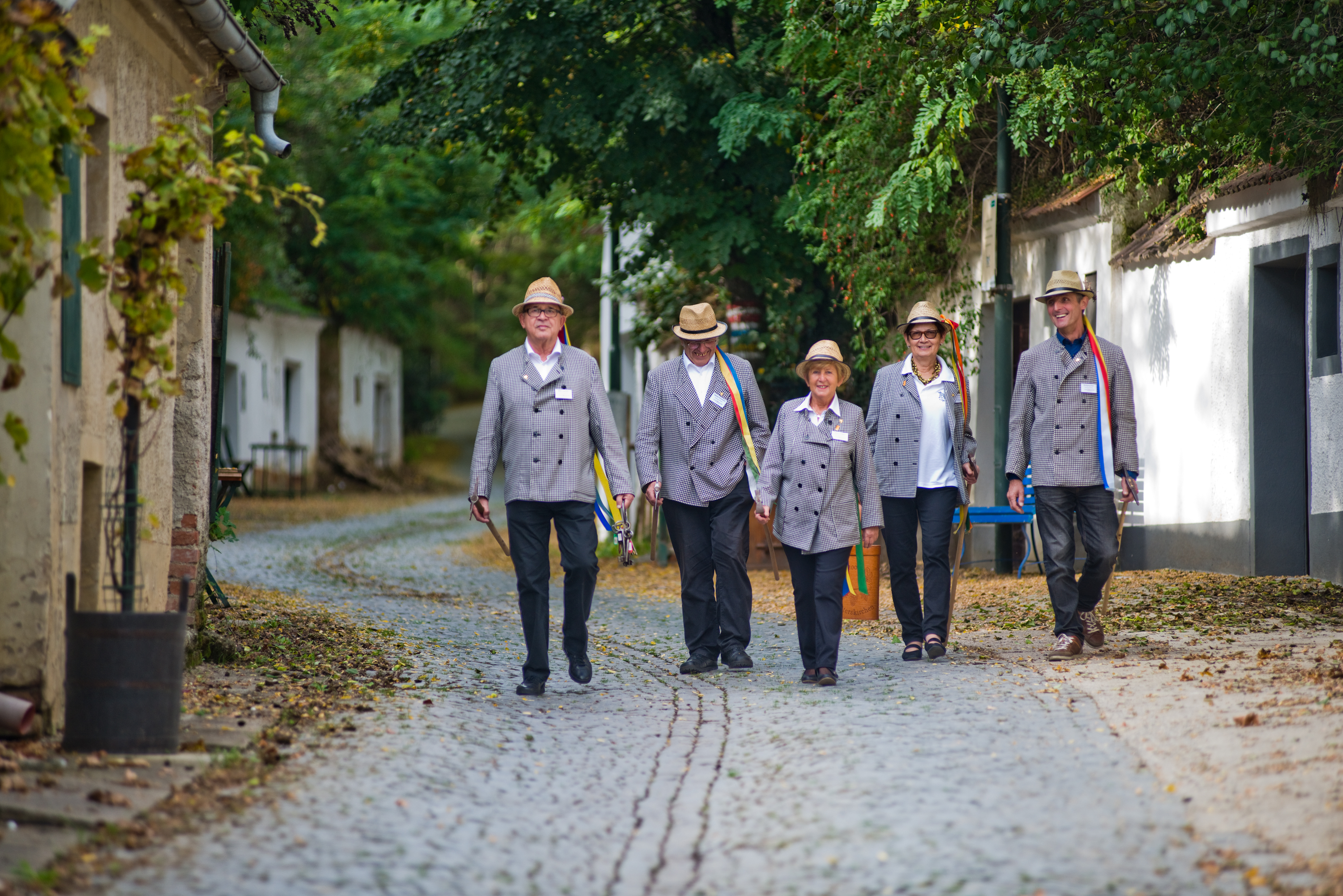
The unmistakable charm of the Weinviertel wine cellar lanes can be experienced most impressively on a guided tour.
This provides fascinating insights into their history and the former significance of these special places.
Information on guided cellar lane tours in the Weinviertel can be found here:
www.weinviertel.at/kellergassenfuehrungen