Tumulus route

Cycling route for excursions from Stockerau train station

To view this content, you need to accept our Cookies. Change Cookie Settings
Full screen mode
Elevation profile

66,80 km length

Tour dates
  • Difficulty: Medium
  • Route: 66,80 km
  • Ascent: 291 egm
  • Descent: 294 egm
  • Duration: 4:40 h
  • Lowest point: 170 m
  • Highest point:309 m
Features
  • Round tour
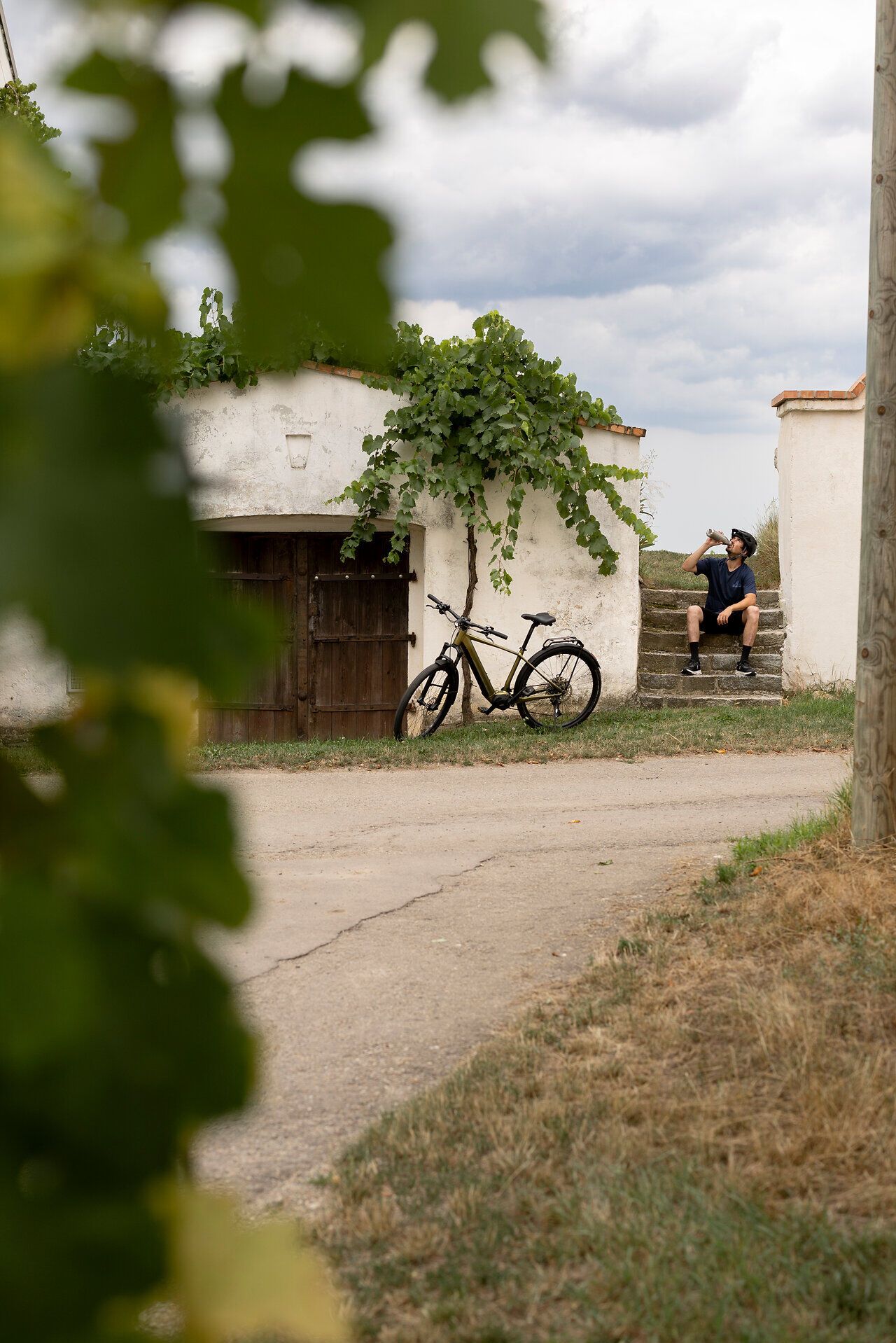
  • With refreshment stops
  • Accessibility by train and bus

Details for: Tumulus route

Brief description

A wonderful day route that connects the characteristic local burial mounds in a circular tour.

Description

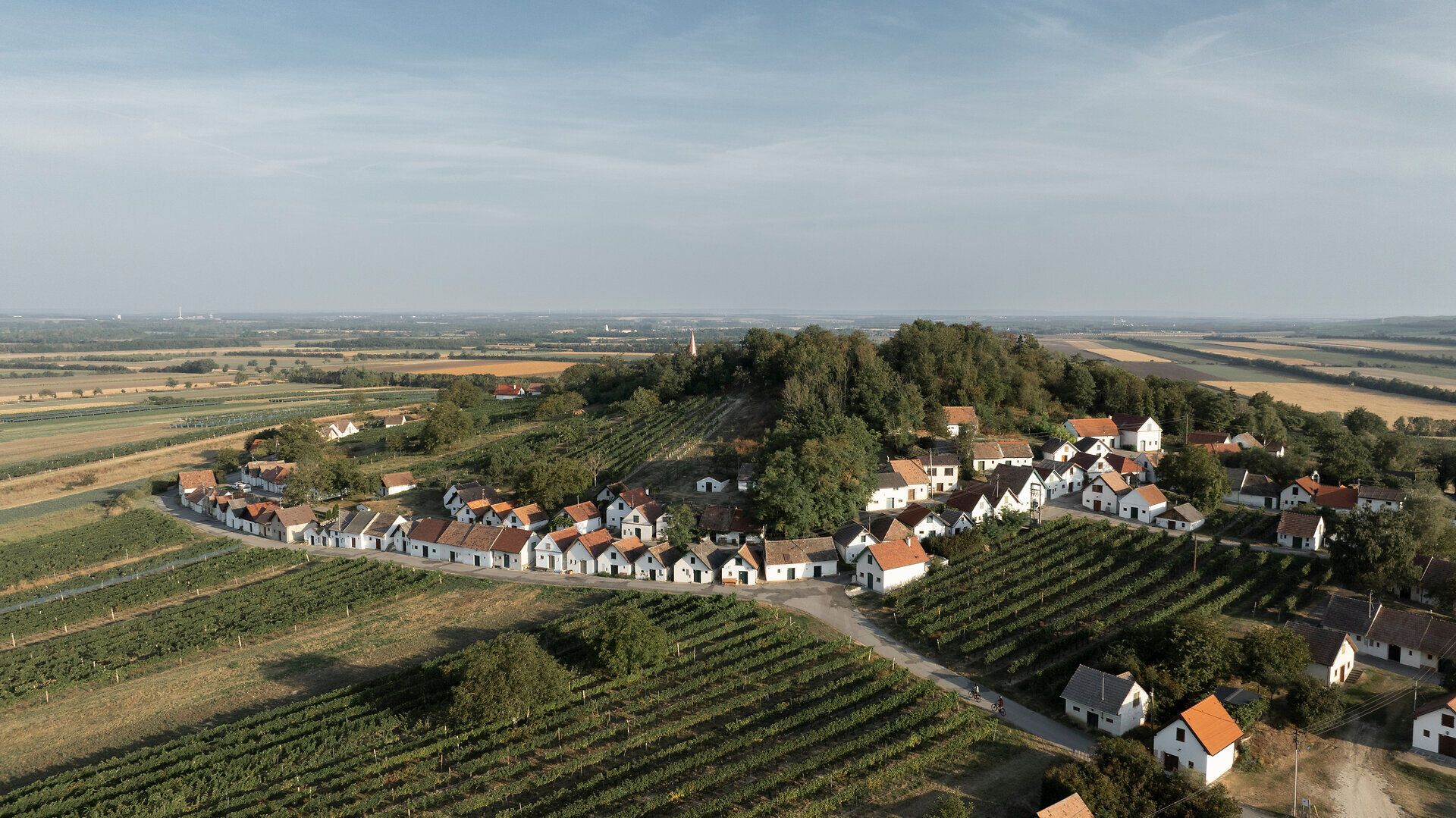
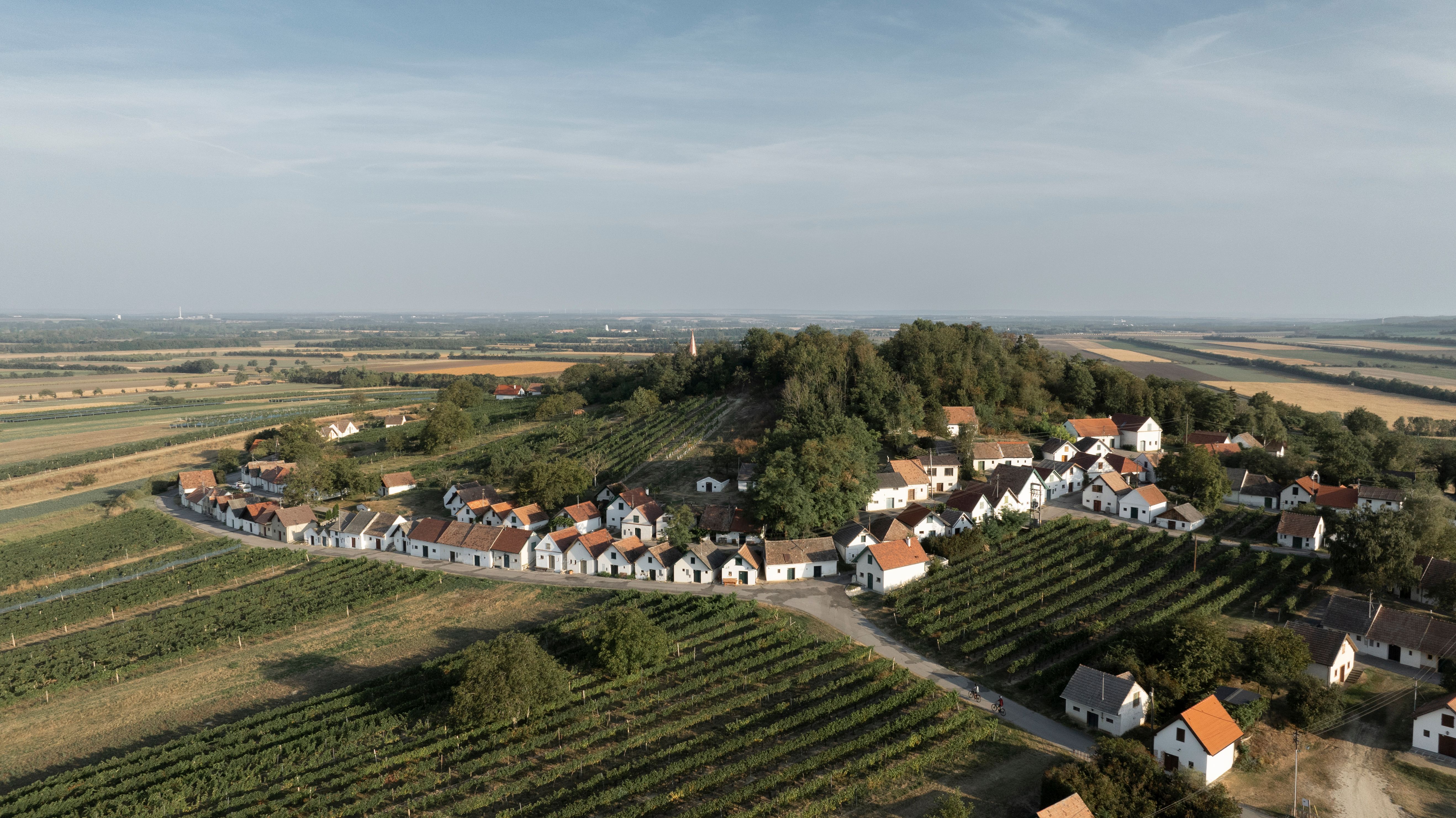
As the name suggests, you pass by 4 burial mounds, also called tumuli, along this route. These unique burial mounds from the Hallstatt period (750 to 450 BC) are a distinctive feature of the area. Starting from Stockerau and traveling clockwise, you will discover the first burial mound in Gaisruck in the municipality of Hausleiten. The second mound, which is also the namesake of the village and the largest burial mound on the route, is located in Großmugl. At 14 meters high, it is the largest burial mound of the entire Hallstatt culture. A detour to this historical site is well worth it! You will find two more burial mounds outside the village of Bruderndorf and the last one east of Niederhollabrunn. Rest stops along the route invite you to relax and observe. Inns and wine taverns along the route complete a memorable day trip.

Starting point of the tour

Stockerau train station

Destination point of the tour

Stockerau train station

Route description Tumulus route

Starting from Stockerau train station, this circular route goes clockwise westward via Hausleiten to Gaisruck, where the first burial mound on the route is located. From the village, the route continues northeast through the towns of Zissersdorf, Sierndorf, Höbersdorf, and Untermallebarn. Via Untergrub and Ringendorf, the route leads to Großmugl, where the well-known and largest burial mound of the entire Hallstatt culture is situated. The journey continues on paved farm roads through the picturesque villages of Roseldorf, Streitdorf, and Bruderndorf to Niederfellabrunn and Niederhollabrunn. Two more burial mounds can be visited outside the village of Bruderndorf and east of Niederhollabrunn. In Niederhollabrunn, the Tumulus route meets the “Around Kreuzenstein Castle” route and runs southward on the same path through Haselbach, Wollmannsberg, and Leitzersdorf back to Stockerau. Numerous wine taverns and inns invite you to rest and refresh along the entire route.

Directions

By car, Stockerau is accessible via the A22 highway and the B3 federal road.

Parking spaces are available directly at the train station.

Parking

Parking spaces are available directly at the train station.

Stockerau can be reached by train both coming from Retz and Vienna.

Equipment

The route mostly runs on paved agricultural roads. Some sections are gravel and natural paths. Therefore, the route is very well suited for trekking, gravel, and mountain bikes.

Safety information

We point out that the burial mounds should not be climbed. These are historically valuable natural mounds that should be preserved. The view and outlook can also be enjoyed from nearby resting places.

Author's tip

In the Weinviertel region stands the highest burial mound of the entire Hallstatt culture (750 to 450 BC), the 14-meter-high Tumulus of Großmugl.

The burial mound stands out so clearly from the surrounding plain that the municipality was even named after it (first documented mention in 1298 as Grassemugl – large Mugl). The mound was first scientifically recorded in 1871, but remains unexcavated to this day. This will not change in the foreseeable future, yet the large mound remains at the center of archaeological research. Thanks to modern non-destructive surveying methods, it was possible to document an extensive cult site around the mound. A project is now conducting in-depth research on this Iron Age settlement and cult landscape around Großmugl.

More tours around the starting point